

HOW WE WORK
Play based, child centered activities
Our occupational therapy practitioners use a range of engaging, evidence informed activities to help each child build skills naturally.
Building hand strength with therapeutic games
Adaptive equipment recommendations
Sensory activities such as swings, obstacle courses and tactile play
Modifying the environment at home or at school
Teaching self care routines through repetition and adaptive strategies
Family education, so support continues at home
SPECIFIC AREA
Sensory Processing
We assess how sensory processing impacts daily living at home, at school, during play and in the community, then identify each child's sensory preferences and challenges.
From there, we develop individualized strategies to support participation in the activities that matter most to each family.
STRATEGIES CAN INCLUDE
-
An individualized sensory diet
-
Teaching self regulation strategies
-
Environmental adaptation
-
Sensory activities to improve daily participation
-
Family education for consistency and routine

AREAS OF ASSESSMENT
-
Oral structures
-
Oral motor strength
-
Sucking and chewing
-
Sensory responses to different food textures, temperatures, tastes and smells
-
Postural control and positioning
-
Self feeding skills including utensil use
-
Mealtime routines, behaviors and environment
SPECIFIC AREA
Feeding and Oral Motor Development
We help children develop the oral motor, sensory and self feeding skills necessary for safe, efficient and enjoyable eating, including breastfeeding and lactation support.
Difficulty chewing
Picky eating
Oral Motor Skills
Oral hypersensitivity or hyposensitivity

SPECIFIC AREA
Fine and Gross Motor Coordination
Our role focuses on hand strength and dexterity, coordination between the eyes and hands, postural control, balance and motor planning.
Fine Motor
The use of the small muscles of the hands and fingers to perform precise movements.
Hand strengthening
Pegboards
Stringing beads
Theraputty
Gross Motor
The use of large muscles that control movements such as walking and jumping.
Obstacle courses
Balance activities
Animal walks
Ball games
Movement based games
Core strengthening

THE ROLE OF PLAY IN OT
-
Develop motor skills
-
Develop cognitive skills
-
Build social and communication skills
-
Support emotional development
-
Increase independence
SPECIFIC AREA
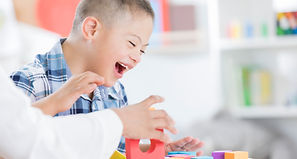
Play
Through play, children naturally develop the skills to learn self care, communication and socialization at home, at school and in the community.
SPECIFIC AREA
Bonding and Attachment
In occupational therapy, bonding and attachment influence a child's emotional development, participation in daily activities, social relationships and overall well being.
Why Bonding Matters in OT
-
Encourages early sensory and emotional development
-
Supports co regulation of emotions
-
Promotes healthy routines and caregiving opportunities
-
Strengthens the relationship between child and parent
How We Support Bonding and Attachment
-
Educating caregivers on responsive caregiving
-
Supporting feeding
-
Encouraging play and shared occupations between caregiver and child
-
Establishing consistent daily routines
-
Addressing sensory processing difficulties that may interfere with engagement
-
Coaching caregivers

AREAS WE SUPPORT
-
Dressing, including buttons, zippers and shoe fastening
-
Feeding and use of utensils
-
Toileting and hygiene routines
-
Grooming, including brushing teeth and hair
-
Bathing and washing routines
-
Sequencing and following multi step routines
-
Adaptive strategies and equipment when needed
-
Family education to support consistency at home
SPECIFIC AREA
Age Appropriate Self Care
We help children build the self care skills expected at each stage of development, from early routines like feeding and dressing to more independent tasks like grooming, toileting and hygiene. Skills are broken down into manageable steps and practiced through repetition, so children gain independence at a pace that fits their abilities.
